
The energy transition is a talent challenge.
Those who build the skills now will lead the market.
Strategic Training for the Energy Transition: Building the Skills That Will Power the Future
The global energy transition is no longer a future ambition. It is happening now. Across batteries, hydrogen, solar, wind, geothermal and integrated energy systems, investment is accelerating, technologies are scaling, and markets are expanding rapidly.
However, one major challenge is slowing down deployment: the shortage of qualified talent.
For companies, governments, utilities, industrial groups and investors, success will not only depend on technology or capital. It will depend on the ability to train, upskill and mobilise a workforce capable of delivering real projects safely, efficiently and at scale.
JPA GREEN CONSULTING supports this transformation by designing strategic, market-aligned training programmes that respond directly to the skills needed in the energy transition.
Discover our E-Learning Catalogue
You can choose how to learn, fully online, on site or in hybrid.
All levels are welcomed, wether you're a beginner, advanced or expert.
We have more than 1,200 courses available, offering over 5,000 hours of training in areas such as hydrogen, solar, thermal energy, batteries and more.
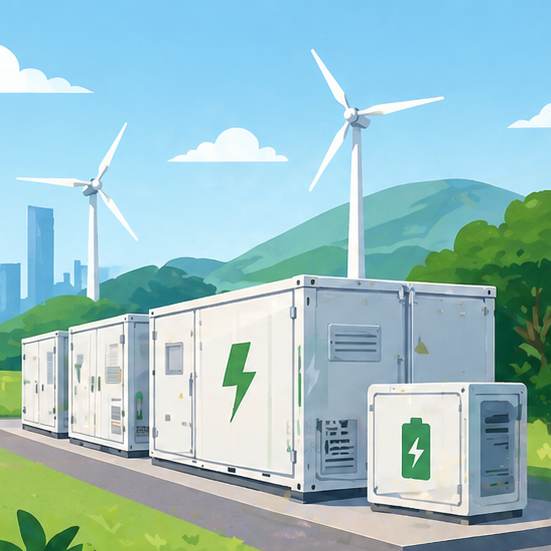
Battery – Energy Storage & Electrification
Battery technology has become one of the core pillars of the modern energy system. It is no longer simply a supporting technology; it is now central to grid flexibility, renewable energy integration, electric mobility and industrial resilience.
As demand for electrification grows, companies need professionals who understand lithium-ion technologies, battery management systems, safety, diagnostics, large-scale storage and grid integration.
The market opportunity is significant, but the talent gap is already creating pressure. Projects are being delayed, costs are increasing, and companies are competing for the same limited pool of qualified specialists.
High-demand roles today
- Battery Systems Engineer
- Energy Storage Project Manager
- Battery Installation & Commissioning Technician
- Grid Integration Specialist
- Battery Manufacturing Technician / Maintenance Technician / Gigafactory Engineer
Emerging roles
- Solid-State Battery Engineer
- Battery Recycling & Circular Economy Specialist
- Energy Storage Data Analyst
- AI-Driven Battery Optimisation Specialist
Critical skills to develop
- Battery architecture and electrochemistry
- System integration and grid interaction
- Safety, diagnostics and lifecycle management
- Digital monitoring and data-driven optimisation
- Storage project deployment and commissioning
Battery expertise is becoming a strategic advantage for utilities, manufacturers, mobility players and investors. The organisations that build these skills now will be better positioned to lead the electrified economy.

Solar – Photovoltaics & Distributed Energy Systems
Solar energy remains one of the most scalable and job-intensive technologies in the global energy transition. From residential rooftops to utility-scale solar farms and commercial self-consumption projects, demand continues to grow.
Training needs are especially strong in PV system design, installation, maintenance, performance optimisation and hybrid systems combining solar and battery storage.
Yet the solar sector is facing a major workforce bottleneck. The market needs more qualified installers, electricians, engineers, project managers and sales professionals able to deliver high-quality projects in compliance with technical and safety standards.
High-demand roles today
- Solar PV Installer / Technician
- Electrical Engineer, low and high voltage
- Solar Project Manager
- Commissioning & Maintenance Specialist
- Energy Sales & Solution Engineer for C&I and residential markets
Emerging roles
- Solar Asset Manager
- Distributed Energy Systems Designer
- Smart Grid & Flexibility Specialist
- Hybrid Solar + Storage Specialist
Critical skills to develop
- PV system design and sizing
- Installation standards and safety compliance
- Troubleshooting and performance optimisation
- Storage integration and hybrid system design
- Customer-focused energy solution development
Solar is no longer only about installing panels. It is becoming a decentralised energy ecosystem where technical knowledge, digital tools and commercial expertise must work together.
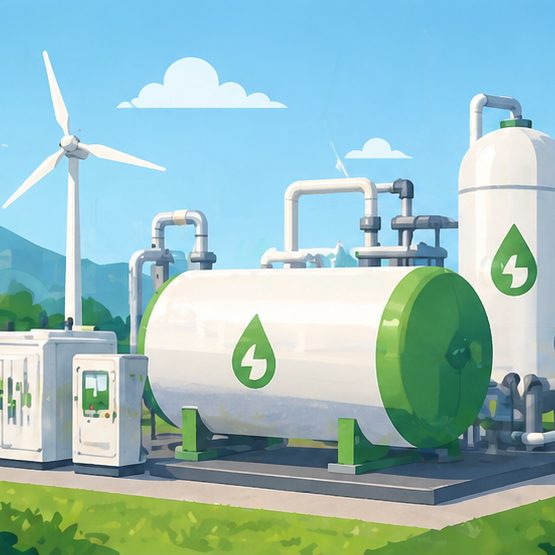
Hydrogen – Power-to-X & Industrial Transformation
Hydrogen is moving from concept and pilot projects to industrial-scale deployment. It is becoming a key solution for decarbonising heavy industry, transport, power systems and hard-to-abate sectors.
The strongest demand today is for training in green hydrogen production, electrolysis, infrastructure, transport, storage, safety and Power-to-X applications. These are not isolated technical topics; they form an entire value chain that must be understood, structured and delivered.
The challenge is clear: hydrogen projects require highly specialised professionals, but the market does not yet have enough trained engineers, safety experts, project developers and system integrators.
High-demand roles today
- Hydrogen Project Developer / Project Manager
- Electrolysis Engineer
- Hydrogen Safety & Risk Engineer
- Process Engineer for Power-to-X and industrial applications
- Infrastructure & Pipeline Engineer
Emerging roles
- Hydrogen Certification & Regulatory Specialist
- Hydrogen Valley Programme Manager
- Power-to-X Systems Architect
- Green Hydrogen Investment & Modelling Specialist
Critical skills to develop
- Full hydrogen value chain understanding
- Electrolysis technologies and system design
- Safety, compliance and risk management
- Techno-economic modelling and investment readiness
- Integration with renewable energy systems
Hydrogen is not only a technology shift. It is an industrial transformation. Companies that invest in hydrogen skills will be better prepared to capture new markets, secure projects and support large-scale decarbonisation.
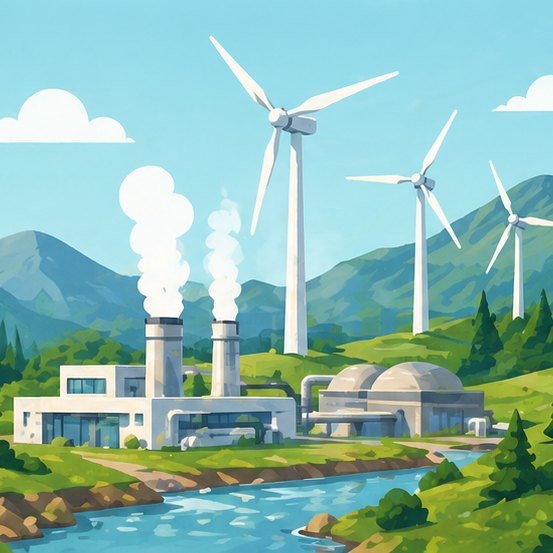
Other Renewables - Wind, Geothermal & Integrated Energy Systems
The next stage of the energy transition will depend on the ability to connect and optimise multiple renewable technologies. Wind, geothermal, storage, grid infrastructure and hybrid systems will play a critical role in ensuring stability, resilience and energy diversification.
While solar remains highly visible, wind and geothermal are essential for large-scale generation, baseload capacity and long-term energy security. The challenge is that these sectors require advanced technical capabilities, especially in engineering, grid connection, project management and maintenance.
The market increasingly needs professionals who can move beyond single-technology expertise and understand the complete energy system.
High-demand roles today
- Wind Turbine Technician, onshore and offshore
- Electrical / Grid Connection Engineer
- Renewable Project Manager
- Geothermal Engineer
- High-Voltage / Transmission Specialist
Emerging roles
- Multi-Technology Energy Systems Integrator
- Offshore Wind Digital Operations Specialist
- Sector Coupling & Flexibility Expert
- Predictive Maintenance Specialist
Critical skills to develop
- Cross-technology understanding: wind, geothermal, solar and storage
- Grid integration and high-voltage systems
- Digital monitoring and predictive maintenance
- Large-scale infrastructure project management
- Integrated energy systems thinking
The competitive advantage is shifting from individual technologies to complete energy systems. The winners will be those able to combine generation, storage, grid infrastructure and digital intelligence.
The Strategic Opportunity
The energy transition is not only a technological revolution. It is a skills revolution.
Companies and institutions that invest early in workforce development will be better equipped to:
- accelerate project deployment;
- reduce operational and safety risks;
- improve technical performance;
- build local employment capacity;
- support industrial competitiveness;
- attract investors and strategic partners;
- lead the transition instead of reacting to it.
Training is no longer a support function. It is a strategic growth lever.
The Bottom Line
The energy transition will be won by the organisations that build the right capabilities at the right time.
Technology will drive the transition.
Capital will finance it.
But talent will determine who succeeds.
Jean Pierre Euphrasie
Phone: +33 673 736 449
Email: jean@jpagreenconsulting.com
Andreas
Mersier
Phone: +49 (0) 173 51 37 818
Email: andreas@jpagreenconsulting.com